

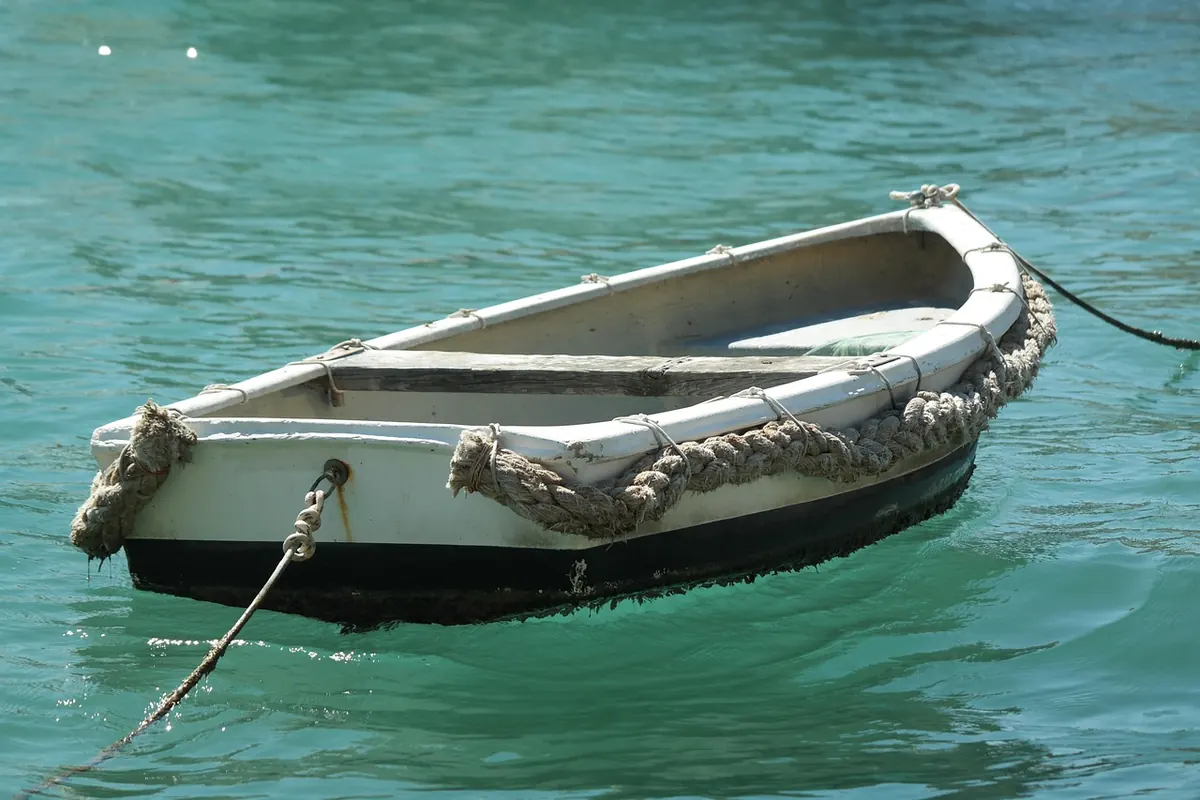
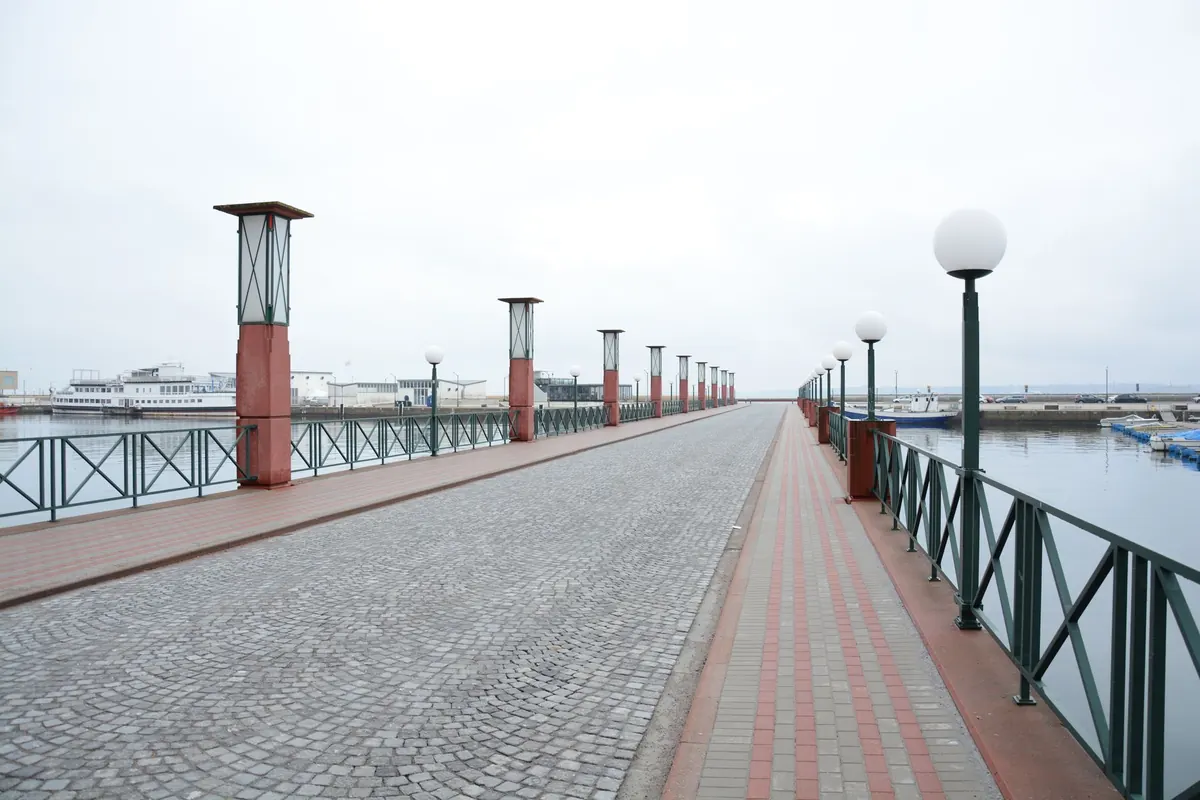
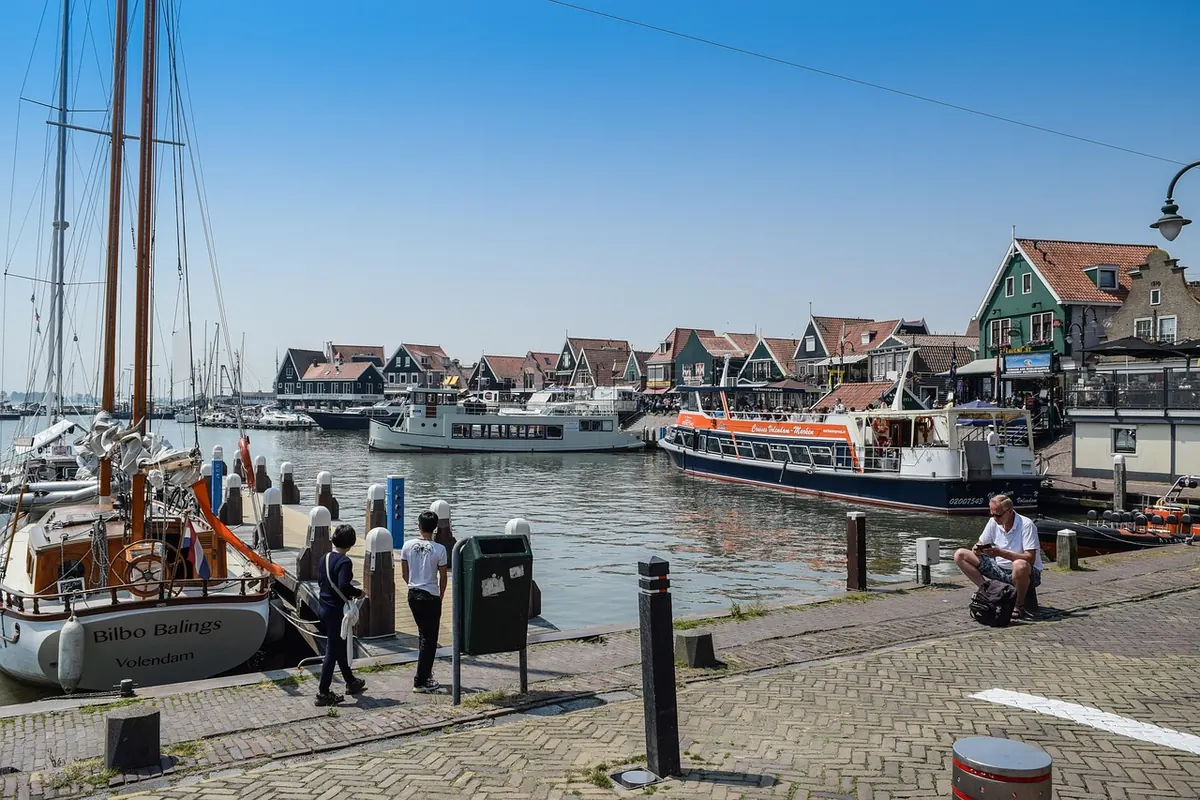

Every working port keeps two maps. One is printed, folded, and handed out at the tourist office. The other is written into the place itself: iron rings worn thin at the top, a black band staining the base of a wall, crane rails set into stone, a set of granite steps hollowed by a century of boots. The second map is the one worth walking, and you do not need a guide to read it. You need a morning, a pair of decent shoes, and the patience to stop at things that look like nothing.
This route runs five stops. It is written for an old commercial harbour — the kind with a coal quay, a fish dock, a grain wharf, a passenger pier and a repair yard still in some state of use. Names and distances vary by city, but the sequence rarely does, because ports grew in a logical order and left their logic behind in the masonry.
Stop One: The Coal Quay
Start where the ground is widest and the stone is ugliest. Coal quays were built for tonnage, not for looking at: great flat aprons of setts, wide enough to stack fuel in pyramids and turn a cart around. Look down. The joints between the setts are still dark, and no amount of sweeping changes that; coal dust worked its way in for decades and stayed.
The labour here was measured in baskets. Men filled them from the hold, carried them up gangplanks on their backs, and tipped them into carts or bunkers — work that paid by the ton and punished the spine. Later came grabs and conveyor belts, and the quay shrank to a place where a crane could swing. You can usually find the crane rail: a narrow slot of iron running parallel to the water, sometimes with a toothed rack still inside it.
Look for three details before you move on. The weighbridge office, often a small brick hut with a wide doorway where a lorry could drive through. The iron rings and bollards, worn bright on their windward side where ropes have sawed at them for generations. And a stencilled number on a wall, painted over several times but still legible — the port's own filing system, one that never made it onto any map you can buy.
Stop Two: The Fish Dock
Fish quays are always tighter than coal quays, because freshness is a matter of minutes and everyone involved wants to be within a few steps of the boat. The scale changes: narrower aprons, lower walls, hoses coiled on hooks, drains set into the concrete so the ice-melt can run away.
The building to find is the auction hall. It may be a market, a shed, or a room above a chandlery, but the shape gives it away — open on one side, with a floor that slopes gently to a drain and enough space to lay out boxes in rows. Inside, fish were graded, weighed and sold in a rush, and the shouting was part of the pricing mechanism. Outside, the paving is often still stained in patches, and the smell in warm weather tells you exactly what the trade was.
Timing this stop
Arrive when the boats are landing and you will see the dock working, but you will also be in the way, so keep to the edges and stay behind any painted line. Arrive late morning and you get the quieter version: hoses running, boxes stacked and hosed, a forklift reversing with a beep. Both are worth seeing; only one is safe to wander through.
Stop Three: The Grain Wharf
The grain wharf is where the port stops being picturesque and becomes engineering. A silo dominates — often a tall, blank, concrete cluster with no windows worth counting — and beneath it a maze of enclosed galleries, elevator legs and pipes that carried grain up, across and down again without a single basket involved.
Work here was clean-looking and quietly dangerous. Grain dust in a closed space is a serious hazard, and the men who sampled and weighed the cargo worked in a haze of it. Look for the small doorways and steel stairs bolted to the outside of the silo, and the short length of narrow-gauge rail or the stub of a suction pipe at the quay edge. Those are the fingerprints of a trade that moved in bulk and left almost nothing to photograph.
Ports are honest buildings. They show you what they were paid to do, even after the pay has stopped.
Stop Four: The Passenger Pier
After the silo, the passenger pier feels almost generous. Here the architecture softens: a canopy, a clock, benches along the wall, a tiled waiting room that once had a stove in it. This is the dock where the port met people rather than cargo, and the difference shows in small courtesies — a covered walkway, a ramp instead of steps, a doorway wide enough for a trunk.
Stand at the landward end and look back towards the town. Many passenger piers were built with a rail line running right up to them, so that a boat train could unload directly onto the quay. Find the buffer stop, the old lamp standards, the ghost of a painted sign above a booking window. Look too at the wall beside the gangway: chalk marks, initials, scratched names. Departures leave a residue.
Stop Five: The Repair Yard
Finish at the yard, because this is where you see the port's work in cross-section. A dry dock or a slipway is essentially a hole with a door, and its details are wonderfully legible: the stepped altar of keel blocks along the floor, the chain across the entrance, the slots where the stop-gates drop, the capstan at the head of the dock.
Smell matters here more than anywhere else on the walk. Hot metal, paint, tar, the sharpness of a grinder. Shipwrights, caulkers, riveters and painters all left marks that survive: patches of a different-coloured paint where plates were renewed, weld lines across old rivets, the worn shine on a ladder handrail. If a gate is open and a vessel is up on the blocks, stop and look properly. It is one of the few places where you can see the underside of a ship and understand how much of it is normally invisible.
Reading the Waterfront: A Checklist
Once you know what to look for, the details start arriving faster than you can note them. Carry this list in your head and the walk becomes a series of small discoveries rather than a stroll between photo stops.
- Wear patterns: a bollard bright on one side, steps scooped in the middle, a doorway rubbed at shoulder height.
- Ironwork: rings, ladders, rail slots, mooring staples, the leftover stubs of removed machinery.
- Paint: signs painted out but not quite covered, numbers on walls, depth marks on a quay face.
- Lines to the water: tide stains, storm marks, drains, and the level where the weed stops.
- Doors that go nowhere: bricked-up openings, gateposts without gates — the clearest sign a trade has moved on.
Practical Notes for the Walk
Allow two to three hours for the five stops, or half a day if you plan to linger at the repair yard. Wear shoes with real grip; wet setts and iron plates are unforgiving. Check the tide times before you go, since low water exposes dock walls, slipways and mooring rings that vanish at high tide, and it changes the walk entirely.
Go early. Working docks are liveliest in the first hours of daylight and quiet by mid-afternoon, and the light on wet stone is better before the sun gets high. Stay outside fenced areas and painted safety lines, never cross a chain across a dock entrance, and keep clear of vehicles — a forklift has no blind spot quite as dangerous as a visitor with a camera. If you want to know what a particular shed was used for, ask at the harbour office or a nearby chandlery; port people are usually generous with local knowledge, provided you ask when they are not busy.
Finish with coffee within sight of the water, and write down the three things you noticed that no sign explained. That short list is your own addition to the port's second map — and the reason to walk the route again in a different season.
Photo: Jakob Andersson / Pexels