


The boat is tied up three metres from your coffee table, the owner is mending a net, and the whole afternoon looks wonderfully simple. It usually is. But traditional ports run on habit and handshakes rather than laminated procedures, and the gap between a lovely day and a costly argument is often just a few questions asked at the right moment. What follows is the checklist worth working through before money changes hands, and again on the morning you leave the quay.
Start with the boat, not the brochure
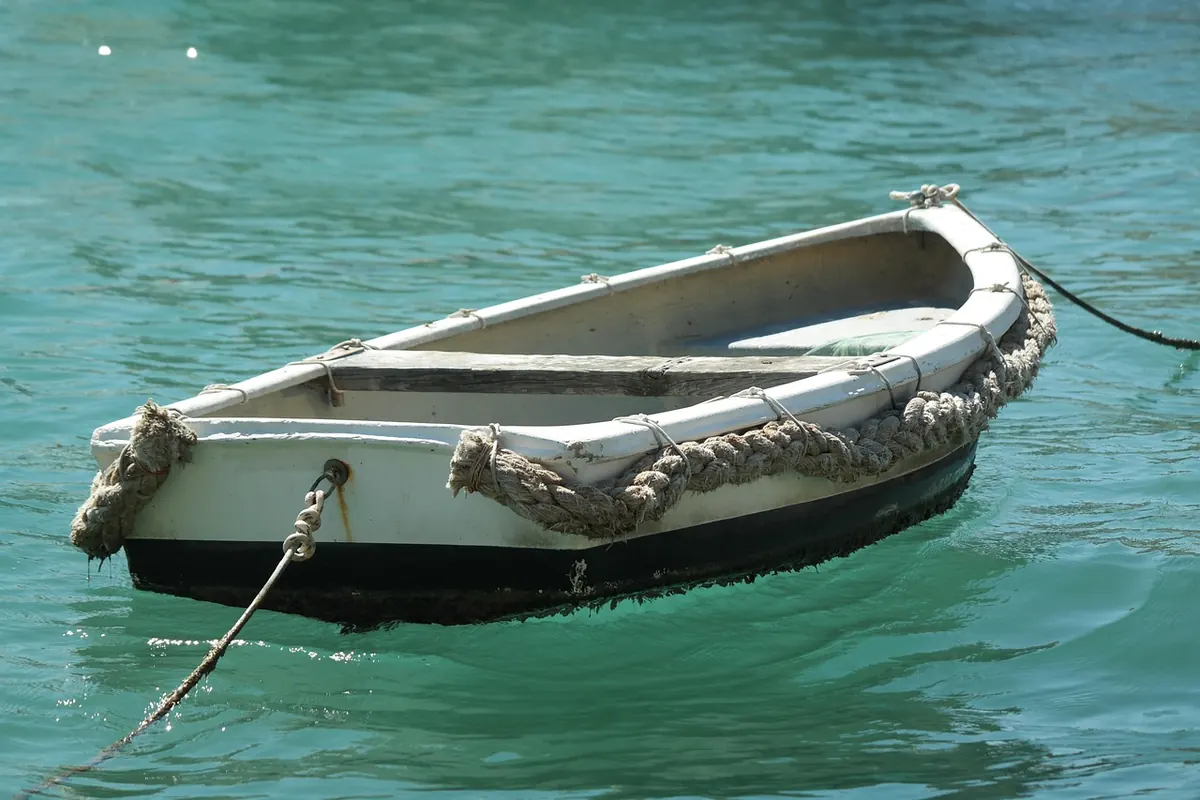
Ask what you are actually hiring. A five-metre open boat with a tiller-steered outboard and a twelve-metre cabin boat with a wheel are different animals, and the difference matters more than the price. In ports where fishing has thinned out, many hulls have been converted for day hire: a wooden gozzo with a new four-stroke bolted to the transom, a luzzu repainted in brighter colours than any working boat would wear, a flat-bottomed punt for shallow water.
Get the essentials in plain terms: length, engine size, fuel type, whether the engine is two-stroke (you will need to mix oil into the petrol) or four-stroke, and how many people the boat is comfortably rated for rather than technically allowed to carry. Ask how it behaves with a full load and a bit of chop. If the answer is a shrug, that is information too.
Be honest with yourself about your experience. If you have only ever driven a small outboard on a lake, say so; a decent operator will either steer you towards a simpler boat or offer a short familiarisation run. Nobody sensible is impressed by a confident customer who cannot hold a course.
The paperwork, yours and theirs
Bring photo identification for every adult on board, and carry it on the boat rather than leaving it in the car. Requirements for a boating licence vary by country and often by engine power or boat length, so ask the operator directly and get the answer in writing, even if that means a message rather than a phone call. If a licence is needed, an International Certificate of Competence is the document most commonly recognised across borders, but confirm what this particular port accepts before you travel.
Then ask to see their side of the paperwork:
- The boat’s registration or harbour documentation.
- A current insurance certificate showing third-party liability cover at minimum.
- A written charter agreement with the deposit, damage excess, fuel policy and return time stated clearly.
- An emergency contact number that someone actually answers.
Read the contract before you sign it, particularly the clauses on damage and late return. Photograph every page and keep the images. If the terms are unusual, or the deposit is large, it is worth taking proper advice before committing; a charter contract is a legal agreement, and a friendly quayside chat is not a substitute for reading it.
Questions worth asking before the deposit
These are the ones that come back to bite people. Ask them all, out loud, and note the answers.
- Is fuel included, or settled on return, and how is the level checked?
- Who pays if the engine fails, and is there a mechanical assistance service?
- Is there a dinghy, and oars or a paddle, in case the engine stops?
- What is the latest return time, and what happens if weather delays us?
- Where may we anchor or swim? Marine reserves, swimming zones and mooring-buoy areas all have their own rules.
- Are there life jackets in children’s sizes if we need them?
- Is there a VHF radio on board, and does anyone ashore monitor a channel?
- How is the deposit held, and how and when is it returned?
The safety walk-around
Do this yourself, on board, with the engine running. Fifteen minutes now saves a panicky hour later.
Hull, lines and fittings
Look for soft spots in the deck, cracks around the transom where the engine mounts, and any damp smell below. Confirm the drain bungs are present and fit their holes. Check the mooring lines and fenders for chafe, and make sure there are enough fenders for the places you plan to tie up.
Engine and fuel
Start it cold while the owner is still there. Watch for the steady tell-tale stream of cooling water, let it idle in gear, and check the fuel line and primer bulb for perishing. Ask where the fuel tap and battery isolator are and operate them yourself. Find the kill cord and clip it on. If it is a four-stroke, check the oil; if it is a two-stroke, confirm the mixing ratio.
Safety gear
Count the life jackets and try the buckles; a jacket that will not fasten is a cushion. Check the fire extinguisher gauge, the bailer or bucket, the anchor with enough rope and chain for the depths you intend to use, the torch, the first aid kit and the flares with their expiry dates. If you plan to be out near dusk, confirm the navigation lights work.
Weather, water and local rules
Read the forecast the evening before and again on the morning, and look at the wind direction relative to the harbour entrance rather than just the wind strength. A calm morning often turns into a brisk afternoon on coasts with a strong thermal breeze, and an entrance that is easy in one wind can be uncomfortable in another. Ask the operator, or any fisherman willing to talk, how the harbour mouth behaves when the wind swings onshore.
Tides matter more than people expect: negligible across much of the Mediterranean, significant in the Adriatic and on Atlantic coasts, where a boat left on a mooring can end up sitting on the bottom. Learn the harbour speed limit, the no-wake zones, the swimming areas marked by buoys, and the distance you must keep from shore and from swimmers. Ask specifically about the local hazards: a reef, a fish farm, a ferry lane, a shifting sandbar across the entrance.
The handover briefing
Insist on a briefing in a language you genuinely understand, and ask them to show rather than tell. You start the engine. You tie a line. You pick up a buoy. Point at each switch and name it. Before you leave the quay, photograph the boat’s existing damage — the scratches, the chipped gelcoat, the dented rail — with a timestamp, and show the owner the pictures. It takes two minutes and removes any argument on return.
A last look before you cast off
Forecast checked, fuel confirmed, kill cord attached, life jackets out of the locker and within reach rather than buried under bags. Phone charged and in a dry bag, water aboard, return time agreed and someone ashore who knows roughly where you are going and when to expect you back. Untie slowly, leave the harbour at idle, and give the boat a few minutes in open water before you open the throttle. The rest is the good part.
Photo: Tiluria / Pixabay